

Finding Out the Effective Once-a-Week Piano Lessons
24/09/2026
Finding Out the Effective Once-a-Week Piano Lessons
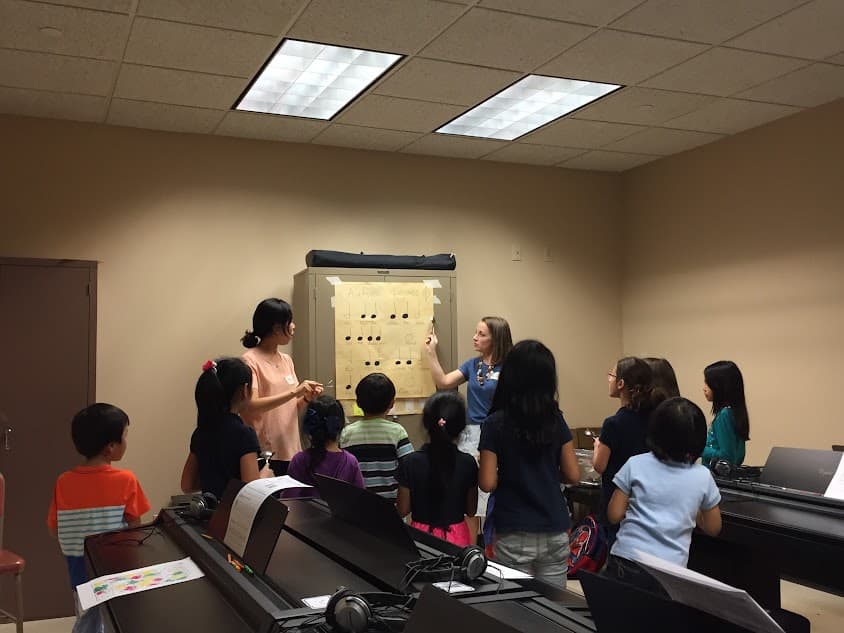
The standard picture of piano course I had experienced as a student, as a teacher, and as a parent could be described as such: students and teachers normally meet once a week for a lesson, between the duration of 30 and 60 minutes. During the lesson, the teachers give the repertoire to the students, before they will replicate what they have been practicing at home or in the practice room during the week to get feedback from the teachers. The teachers would give either verbal or written comments to the students with suggestions for next week's lesson. And the cycle repeats itself. Additional activities might involve when the student has group lessons, studio classes, and attending a masterclass which gives more feedback after the private instruction is done. Through my years of experience, I found out that students who come to weekly private piano lessons have somewhat low retention to the information they have been given the week before. This situation creates dissatisfaction, often times also a sense of frustration, to both stakeholders: the student and the teacher. Since in this case the student seems to show very little to almost no progress, this also gives a bad impression to parents who pay the lesson fee. Usually, the teacher takes the blame at the most regarding the student's progress. How can this problem be solved? There are three simple, yet specific strategies to apply. Students are given practice notebooks where the teacher writes specific practice plans; parents are given ideas on how to help their child at home. 1. Clear communication between the three-fold stakeholders: the student-the teacher-the parents. All three need to have a clear expectation through what a particular lesson plan looks like on a weekly basis. 2. The teacher needs to give music information gradually, with the goal of the student’s understanding. This also involves a balanced approach of activities in the studio: from student’s and teacher’s demonstrations on the keyboard through giving advice and feedback. 3. Varying the method outside of private lessons: by attending group lessons or group classes. This includes listening sessions, class discussions, attending concerts, etc. Studies have shown that working together in group learning environments tends to thrive faster than those working alone. This would allow ideas to exchange among the students, which will help to build performance confidence. Regardless of any methods that we could possibly use for piano teaching/learning, from the traditional ones through modern ones, I think we all agree to expect a good result through this type of educational process. Although once-a-week music lessons remain imperfect, yet still the most used for many private studios and music schools worldwide. Nevertheless, the once-a-week piano lessons are here to stay for a very long time. And there are still a lot of room to grow for the effectiveness of this type of music lessons. Amassed information of new concepts, techniques, and musical ideas keep coming in the piano world. It looks like eating in a buffet restaurant with so many varieties of food. You may eat as much as you want, however not all the food displayed will benefit your health. Finally, it is never about how much information or a new study that we need for the effective once-a-week lessons, but how the three-fold stakeholders, students-teachers-parents, utilize those together for the benefit of the students' music education. -Alfred Situmorang- September 2026


